







Best CFD Brokers in United States for 2026
Explore Article

Time to read: 8 minutes
Posted: 14 Sep 2026

Seven CFD brokers were compared for traders in the United Arab Emirates, focusing on the entity serving UAE residents, regulatory status, trading costs, platforms, account conditions, and retail protections.
ADSS ranks as the best overall CFD broker in the UAE because it combines direct UAE regulation with locally oriented account access and competitive leverage. IG is the stronger choice for market range and DFSA protections, while Pepperstone stands out for platforms and active trading.
Regulation is particularly important in the UAE because mainland firms, DIFC firms, and ADGM firms operate under different frameworks. The legal entity behind the account determines the applicable leverage limits and investor protections.
ADSS ranks first because the brokerage itself operates from the UAE under a Category 1 CMA authorization rather than relying on a foreign CFD issuer. This gives UAE residents a direct domestic regulatory relationship while preserving relatively high leverage and locally focused account access.
ADSS is best suited to UAE traders who prioritize domestic regulation without accepting the lower leverage limits used in DIFC and ADGM retail accounts.
IG ranks second because it combines a DFSA-regulated retail account with the widest CFD selection in this comparison. It is particularly suitable for traders who value regulatory safeguards and instrument variety over high leverage.
IG is best for UAE traders who want broad market access and stricter retail protections.
Pepperstone ranks third because it offers the strongest combination of platform choice and active-trading pricing. Its UAE setup is less straightforward than ADSS or IG because the local company provides Introduction and Financial Consultation while Pepperstone Markets Limited in The Bahamas acts as product issuer.
Pepperstone is best suited to active UAE traders who prioritize platform flexibility and raw-spread pricing.
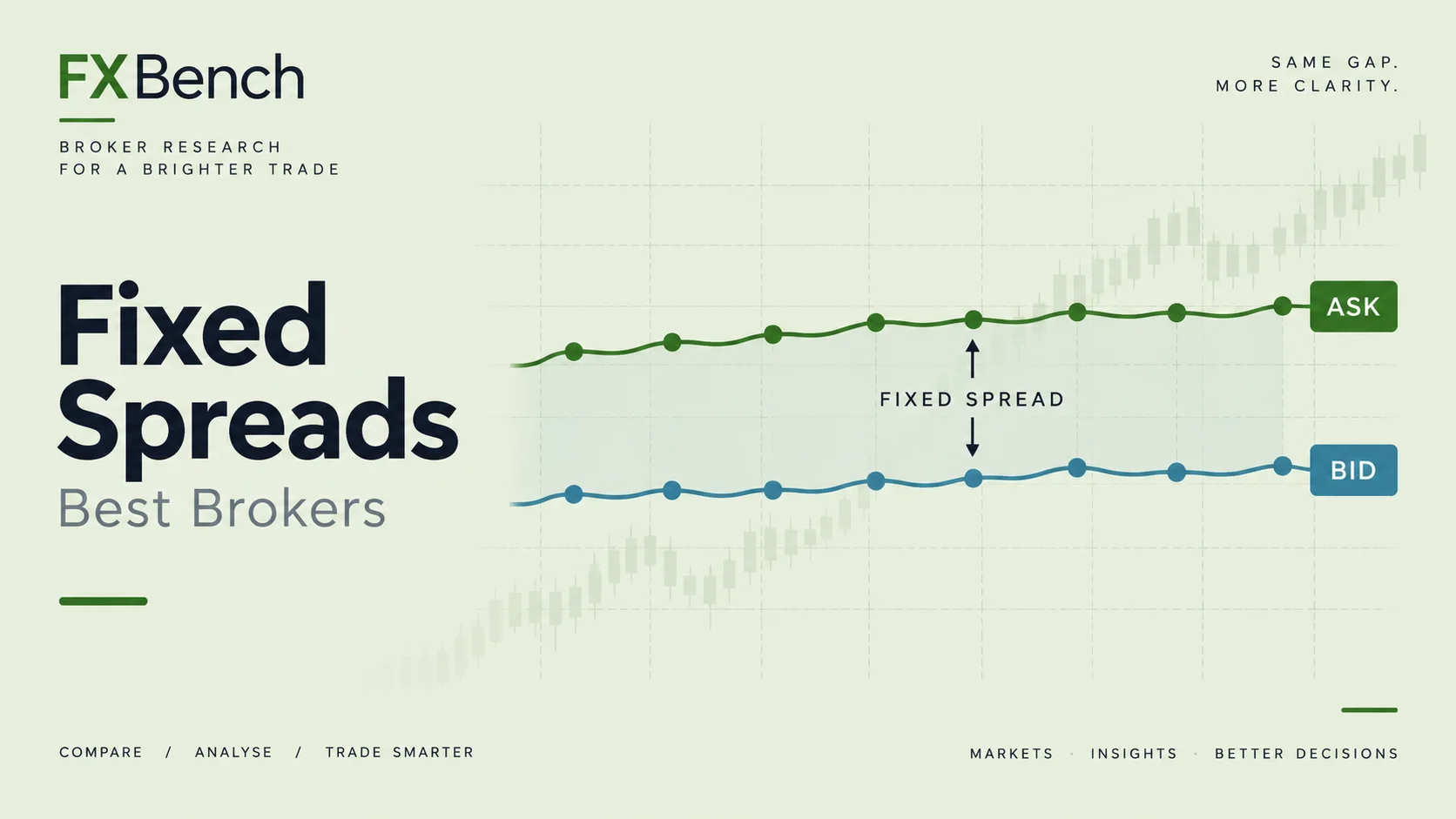
Capitalcore differentiates itself through fixed spreads, commission-free trading, and swap-free accounts. Like FXGlory, it serves UAE residents through an international entity rather than locally regulated one.
Capitalcore is best suited to UAE traders who prefer fixed, commission-free and swap-free pricing.
Plus500 ranks fifth for traders who prefer a self-contained trading environment rather than MetaTrader or specialist third-party terminals. Its UAE entity provides local regulatory coverage, while pricing is largely built into the spread.
Plus500 is best suited to UAE traders who prefer a streamlined proprietary platform over a multi-platform setup.
FXGlory stands out for very low starting capital and high leverage rather than UAE regulatory coverage. Its account structure is aimed at traders willing to accept an international legal entity in exchange for more flexible trading conditions.
FXGlory is best suited to UAE traders who prioritize low entry requirements and high leverage over domestic regulation.
eToro's strongest advantage is its built-in social and copy-trading model. UAE clients are served through an ADGM-regulated entity, making it a strong fit for traders who value regulated copy trading more than advanced execution tools.
eToro is best suited to UAE traders who prioritize copy trading and multi-asset investing within one regulated platform.
CFD regulation in the UAE is split across three main jurisdictions. The Capital Market Authority oversees relevant mainland financial activities, the Dubai Financial Services Authority regulates firms in DIFC, and the Financial Services Regulatory Authority supervises firms in ADGM.
The applicable regulator depends on the legal entity holding the account. A broker accepting UAE residents is not automatically UAE regulated.
Retail protections vary by jurisdiction. DFSA and FSRA rules apply formal leverage limits, margin close-out requirements, and negative balance protection to eligible retail leveraged-product accounts. Client-money segregation is also an important safeguard, although it does not amount to a government guarantee against every type of broker failure.
Mainland and international accounts follow different frameworks. Traders should therefore check the legal entity rather than assume that every account under the same broker brand receives identical protection.
The UAE also does not operate one universal CFD compensation scheme covering all CMA-, DFSA-, FSRA-, and internationally regulated accounts.
There is no single leverage ceiling for every UAE CFD trader. DFSA and FSRA retail accounts use asset-specific limits, while mainland and international entities apply different schedules.
Professional clients often qualify for higher leverage, while offshore entities follow their own rules. Headline figures such as 1:3000 or 1:2000 therefore represent broker-specific international conditions, not UAE regulatory limits.
Yes. UAE residents can open accounts with international brokers that accept clients from the country, but the protections depend on the entity named in the agreement.
Locally regulated: the account is provided through a CMA-, DFSA-, or FSRA-supervised entity.
Internationally regulated: the account is provided by a company regulated outside the UAE.
Offshore regulated: the account sits under an offshore jurisdiction with its own rules for leverage, client money, and dispute handling.
International or offshore status does not automatically make a broker unsuitable, but it changes the level and location of regulatory oversight.
Confirm which company becomes the contractual counterparty. A UAE office or regional website does not prove that the CFD issuer is locally regulated.
Consider spreads, commissions, overnight financing, and non-trading fees together rather than comparing headline spreads alone.
Prioritize the instruments relevant to your strategy instead of choosing purely by total market count.
Check whether the broker supports the execution tools you actually use, such as MT4, MT5, cTrader, TradingView, or a proprietary platform.
Review negative balance protection, margin close-out rules, client-money treatment, and the regulator responsible for the account.
Confirm that practical UAE deposit and withdrawal methods are available, including local bank access, AED support where needed, and acceptable currency-conversion costs.
Best Overall: ADSS. Choose ADSS if direct UAE regulation and a locally based account structure are your main priorities.
Best for Market Range: IG. Choose IG if you want wider CFD coverage and stricter DFSA retail protections.
Best for Active Trading: Pepperstone. Choose Pepperstone if platform flexibility, raw pricing, and execution tools matter most.
The best broker ultimately depends on whether you prioritize local regulation, lower trading costs, broader market access, platform choice, or higher leverage.
We evaluate CFD brokers across key areas including trust and safety, trading costs, account conditions, platforms and tools, tradable markets, deposits and withdrawals, customer support, and research resources. For country-specific comparisons, we also consider the legal entity serving local traders, applicable regulation, available account features, and country-specific trading conditions.
For more details on our evaluation standards and research process, see how FxBench evaluates CFD brokers.
ADSS ranks best overall because it combines direct CMA regulation with a UAE-based brokerage structure and competitive trading conditions.
Yes. CFD trading operates under regulated frameworks covering mainland UAE, DIFC, and ADGM.
The main regulators are the Capital Market Authority, the DFSA in DIFC, and the FSRA in ADGM.
There is no single maximum. DFSA and FSRA retail accounts generally limit major forex to 1:30, while mainland and international brokers operate under different leverage schedules.
Yes, provided the broker accepts UAE residents. The account's legal entity determines which regulatory protections apply.
Pepperstone is the strongest low-cost option for active forex traders in this comparison because its Razor account combines raw spreads with transparent commission pricing.

Arlo Fenwick regularly covers topics such as MetaTrader platforms, copy trading, risk management, leverage policies, and evolving financial regulations across major jurisdictions including the UK, Europe, Australia, and the Middle East.
In addition to broker reviews, Arlo writes educational content aimed at improving financial literacy and trading discipline. His work often emphasizes responsible trading practices, realistic expectations, and the importance of choosing regulated financial providers.
Known for an analytical yet straightforward writing style, Arlo Fenwick continues to serve as a trusted voice in the online trading and investment space, helping readers navigate an increasingly competitive financial marketplace with confidence and clarity.